
CITYXPLORER / THE GUIDE
How to Plan Your First Visit to Seattle Center
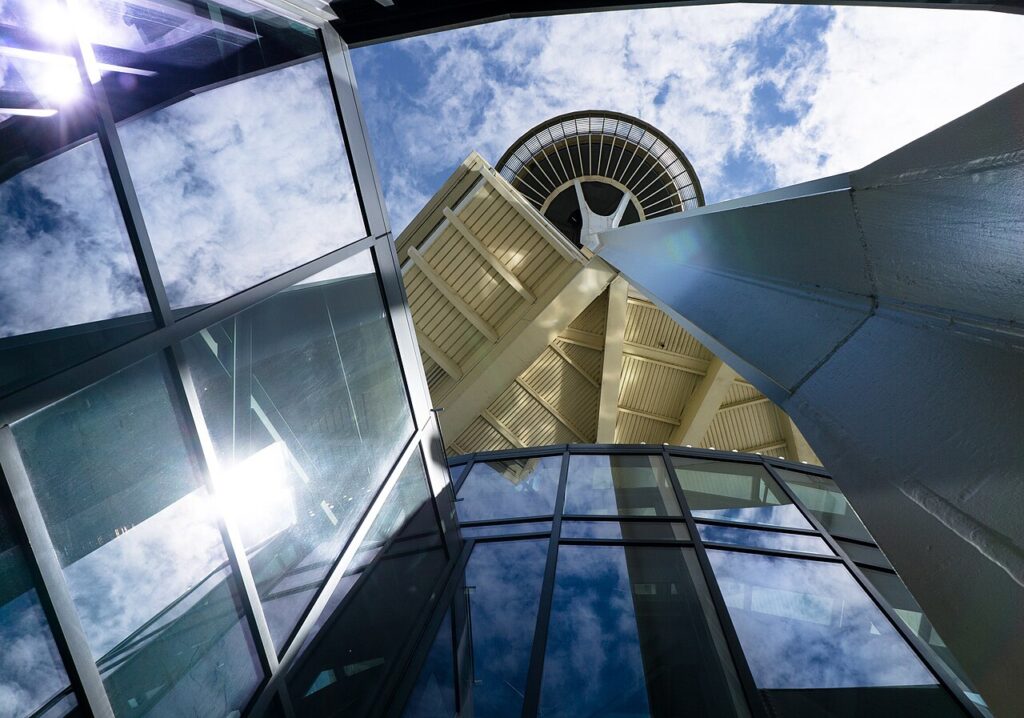
Featured photograph: Space Needle viewed upward beside a glass structure at Seattle Center. Photographed in 2017. Photo by Steve Ginn from Western Washington, United States · Seattle Center (34438788985).jpg · CC0.

Seattle Center brings several major attractions into one area, which makes it tempting to book them all. A better first visit starts with a choice: a city view, glass art, popular culture, or time in the public spaces. One main attraction and an unhurried break can be more satisfying than a full day of timed entries.
This Seattle Center guide helps you choose a priority, plan the arrival, and leave enough space between activities. It fits alongside the waterfront and neighborhood outings in our Seattle city guide.
Understand the campus before buying tickets
Use Seattle Center’s visitor information to review the map, amenities, accessibility, and transport. The campus is not one attraction with one admission ticket. Individual venues have their own hours, booking rules, and visitor arrangements.
Look at the current calendar as well as the permanent attractions. A major event can affect the atmosphere, transport, and the time needed to move around. Do not assume a quiet weekday experience will resemble a busy event evening.
Pick the experience that interests you most
The Space Needle for a view-led visit
The Space Needle is the obvious choice when seeing the city from above is your priority. Review the operator’s visitor information, current ticket options, and live-camera resources before selecting a time. Visibility and weather affect what you will see, even when the attraction is operating.
Choose this because you want the observation experience, not because you feel obliged to include every landmark. If heights or glass floors are uncomfortable for someone in your group, discuss that before buying a ticket and choose an alternative that everyone can enjoy.
Chihuly Garden and Glass for a focused art visit
Chihuly Garden and Glass combines galleries, the Glasshouse, and a garden presenting Dale Chihuly’s work. The operator suggests allowing roughly one to two hours, while making clear that the experience is self-paced.
Leave enough time to look instead of treating the visit as a short gap between two other tickets. Check photography and equipment rules before arriving with a tripod or other accessories. The garden component also makes weather worth considering when you choose your clothing and timing.
MOPOP for popular culture
The Museum of Pop Culture is another strong main-event choice. Check its current exhibitions rather than relying on a list from an older guide. Music, film, and other popular-culture interests can make the museum particularly rewarding when you choose the areas you most want to explore.
Review accessibility and sensory information if these affect your visit. A museum with audiovisual exhibits can feel different from a quiet gallery. Plan a break and avoid making a second timed booking immediately after your expected exit.

Give the public spaces some time
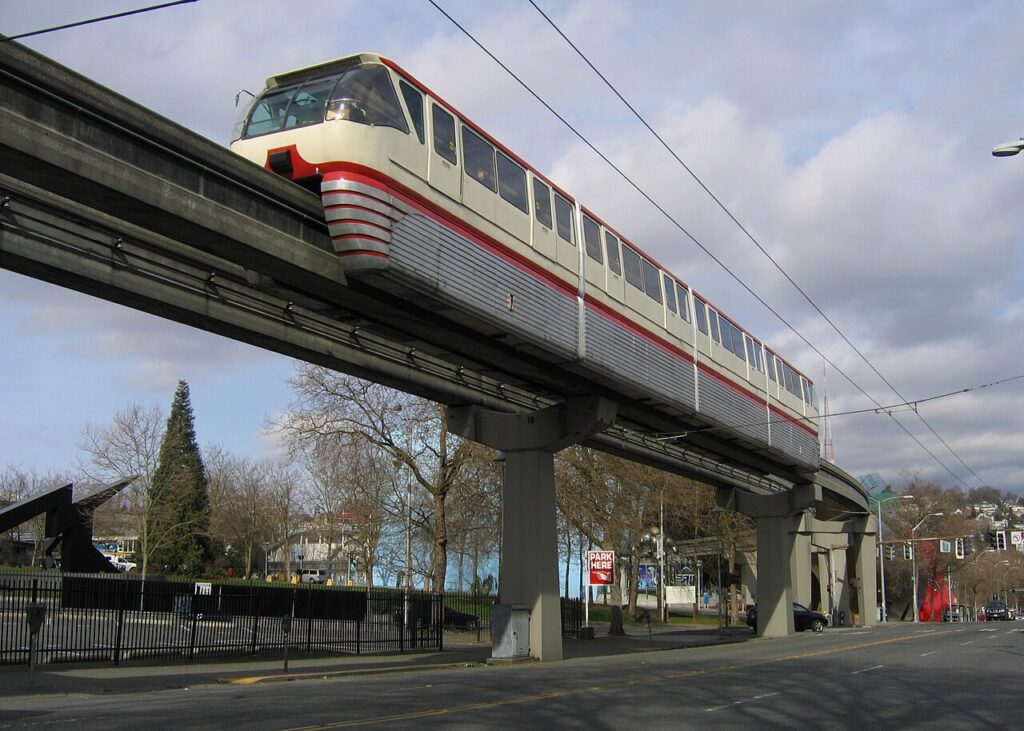
The campus’s attractions overview includes the International Fountain, the Armory, and other gathering spaces. These can provide a pause between activities without requiring you to add another paid experience.
Check current operation and posted rules around the fountain and play areas. An image of a lively summer afternoon does not guarantee the same conditions on the day you visit. If you are traveling with children, bring what you need for their chosen activity rather than assuming every outdoor feature will be available.
Choose a realistic visit length
For a short visit, choose one attraction and a brief campus walk. Keep the arrival and return simple, and avoid adding a distant neighborhood meal just because there is a gap on the calendar.
For a longer visit, choose a main attraction, a meal, and one optional second stop. Leave a genuine interval between bookings. A break is part of a good itinerary, especially when several members of the group have different interests.
For a rainy day, prioritize the indoor experience you most want to see. Allow time for wet-weather arrivals and check which parts of your chosen attraction are outside. The campus being compact does not mean every transition is indoors.

Plan transport and check current detours
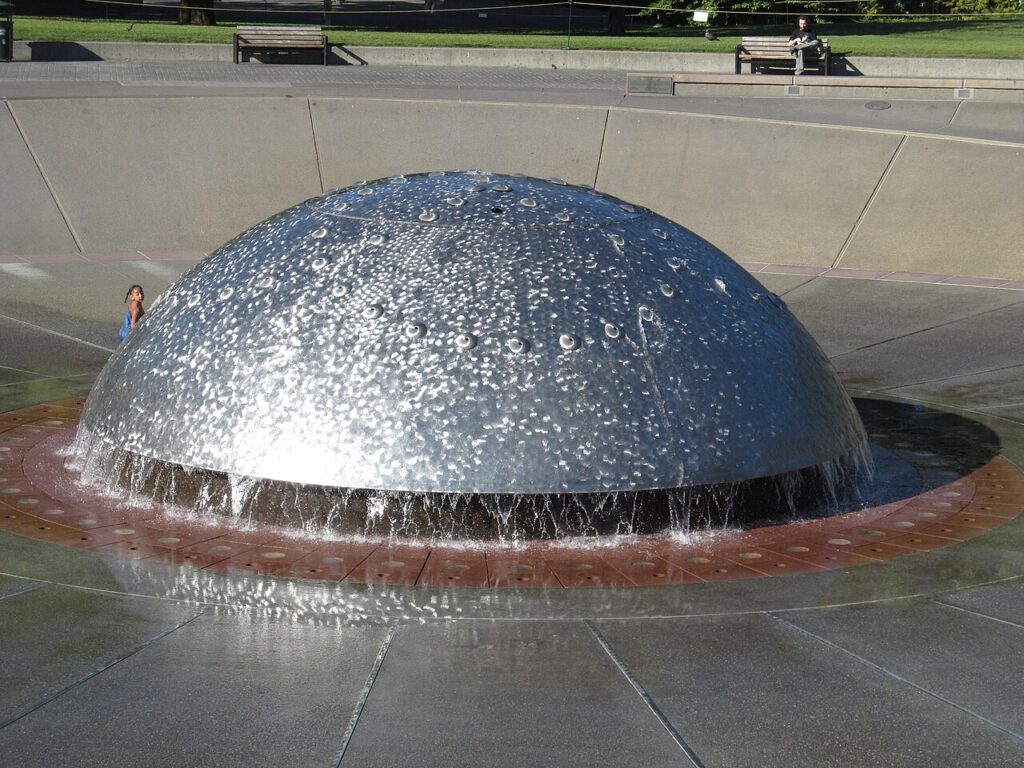
The Seattle Center Monorail connects the campus with Westlake Center. Check its current operating and construction notices before relying on it, particularly if an accessible entrance or a specific departure is essential. It is a separate service from Link light rail.
Current planning note: at the October 30, 2026 review, Seattle Center’s getting-here page reported a pedestrian detour associated with Memorial Stadium redevelopment. The 3rd Avenue North path between Harrison Street and August Wilson Way was listed as blocked until spring 2027, with a signed alternative via Seattle Storm Way. Recheck the notice and follow current signs on arrival.
If you drive, look up the garage that best fits your destination and allow for event traffic. If you use a rideshare, follow the campus’s designated pickup guidance rather than stopping wherever the nearest landmark appears on your phone.
Keep the rest of the trip varied
You do not need another large attraction immediately after Seattle Center. A meal and a slower evening can balance the day. On another date, our Pike Place Market food guide and Ballard neighborhood plan offer a different mix of shops, food, water, and local history.
Common planning questions
Does one ticket cover all of Seattle Center?
No. Individual attractions have their own admission arrangements. If you consider a combination product, check exactly which venues and entry times it includes before comparing the price.
How many attractions should you book for a first visit?
Start with one priority. Add a second only when your available time, the booking windows, and everyone’s interests allow a comfortable break between them.
Source review October 30, 2026. Check the linked operators for current opening hours, service changes, tickets, and access. Photographs were taken in different years; captions identify capture years.