
CITYXPLORER / CITY GUIDE
Washington, D.C. City Guide
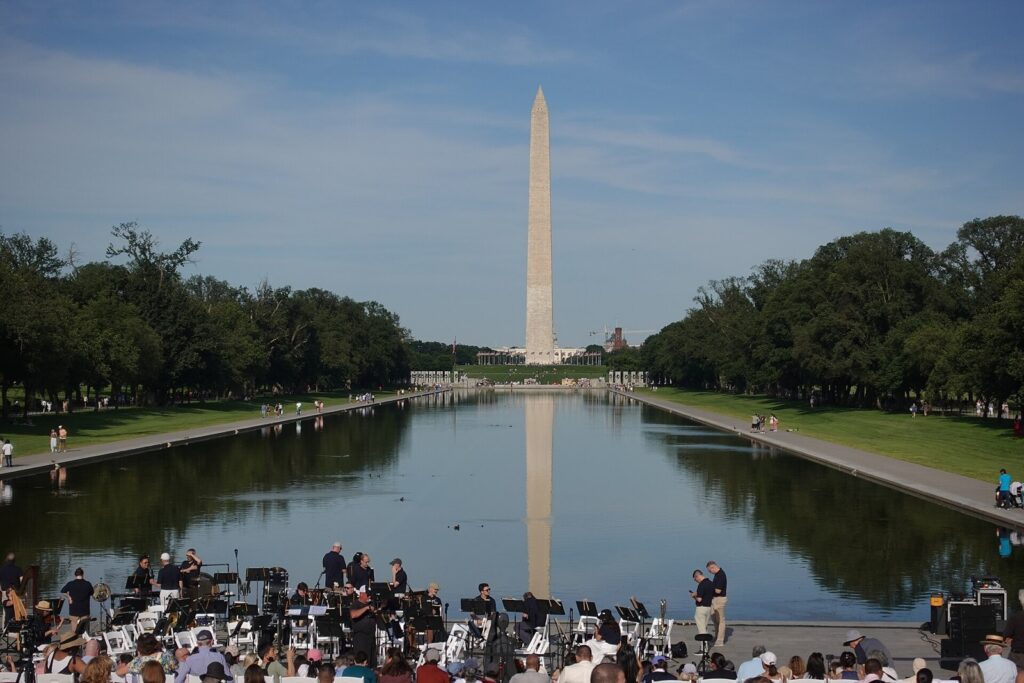
The Washington Monument across the Lincoln Memorial Reflecting Pool. Photo: 颐园居 · CC BY-SA 4.0. Resized for this guide.

Washington, D.C. is easier to enjoy when you leave space between its major sights. The monuments, museums, and government buildings deserve attention, but so do the neighborhoods where people buy lunch, browse shops, and meet friends after work. Choose one substantial museum visit and one outdoor or neighborhood outing, then build the rest of the day around them.
Check the full address whenever you make a reservation. Washington uses quadrant letters such as NW and SE, and leaving them out can send you to the wrong place. A map that looks compact also hides substantial walks across the National Mall, so plan around actual entrances rather than the nearest building label.
Start with a neighborhood you want to explore
Capitol Hill offers residential streets and a different pace from the monumental core. Georgetown combines shopping streets with the Potomac waterfront. U Street is a useful choice for food and an evening outing, while NoMa and the Union Market area suit a meal-led visit. The official Washington neighborhood guide helps separate these areas and find events that match your dates.
For newcomers, these are also practical places to test a daily routine. Walk between the transit stop and the places you would actually use, see how a grocery trip would work, and visit at more than one time of day. A sightseeing afternoon alone cannot tell you everything about living in a neighborhood.
Give the National Mall enough time
The National Park Service’s National Mall guide provides maps, directions, and planning information for the memorials and surrounding spaces. Pick a sensible cluster instead of assuming every landmark is a quick stop. A visit around the Lincoln Memorial and Reflecting Pool can be an outing in its own right, especially if you want time to read and reflect.
Choose a museum according to the collection that interests you most. The Smithsonian museum directory lists locations and current visit information. Some museums require free timed-entry passes, and access arrangements can change. Check each institution before building your schedule around it; free admission does not always mean immediate walk-in entry. Leave time for security screening and avoid bringing unnecessary bags.

Build a food outing beyond the Mall
Union Market District offers a range of food businesses, shopping, and events. It works well for groups that want choices and for travelers who would rather explore around a meal than book another attraction. Use the current directory to choose an actual venue, and check its opening hours rather than assuming every business follows one shared schedule.
Ben’s Chili Bowl is a longstanding Washington institution known for half-smokes and chili. Its original U Street location can anchor a separate neighborhood outing. Review the current menu for meat-free options or other dietary needs, and confirm the location before setting off. Neither U Street nor Union Market should be treated as a quick food counter inside the museum district; account for the journey.
Find room beside the river
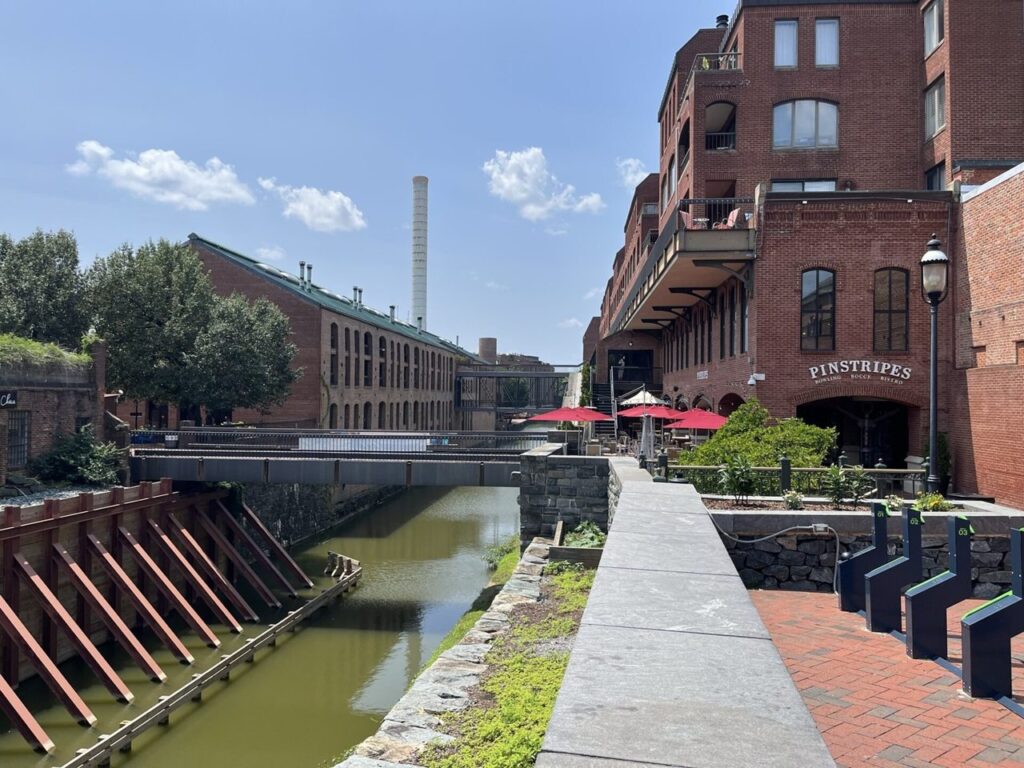
Georgetown Waterfront Park offers a change of scene along the Potomac, with space to sit and watch the river. Pair it with a modest amount of neighborhood wandering rather than another long cross-city checklist. Check access information if you need a step-free route, and keep an eye on bicycles where walking and cycling routes meet.
For a less obvious museum choice, consider the National Postal Museum near Union Station. Its subject offers a different way into American history, and the location can suit an arrival or departure day. Check operating notices before committing; exhibitions or individual areas may occasionally close for maintenance. Allow enough time to collect luggage and reach your train separately from the visit.
Use Metro and keep your plan flexible
The WMATA visitor guide explains Metro rail and bus travel, current payment options, and trip planning. Check alerts and elevator availability for the specific stations you need. Do not assume the nearest station name puts you at an attraction’s entrance. If you use a rideshare, confirm the car and driver, then use a permitted pickup point clear of travel lanes and security restrictions.
For a first day, start with one reserved museum visit, take a lunch break, and choose a manageable memorial walk afterward. On another day, pair Capitol Hill with its neighborhood streets, or make Georgetown and the waterfront the main event. A business traveler with only a few spare hours can use the same formula at a smaller scale: one place, one meal, and a comfortable return journey.
Practical city notes
Carry water and plan indoor breaks during hot weather. Wear comfortable shoes, use pedestrian signals, and allow more crossing time on wide roads. Follow temporary barriers and official directions around demonstrations, events, or government buildings. Keep tickets and reservation confirmations available, and check the final transit connection before staying out late. Washington works well for repeat visits when each one gives a different neighborhood a little more attention.